



Table of Contents
- What is ADHD Time Blindness?
- The Impact on Daily Life
- Strategies for Mastering Time with ADHD
- Building a Supportive Environment
- Professional Support
- Final Thoughts
What is ADHD Time Blindness?
Ask yourself: Why is managing time so tricky? ADHD Time Blindness refers to the difficulty those with ADHD have in perceiving time accurately. This often results in challenges related to time management, like being late, overcommitting, or underestimating how long tasks will take. Remarkably, around 4% of adults globally—according to a study back in 2006—experience ADHD symptoms, with a significant number reporting challenges tied to time perception (Kessler et al., 2006).
But hold on, Time Blindness is not just about being forgetful. It’s a neurological condition affecting how time is processed in the brain. Dr. Russell Barkley, a leading ADHD researcher, points out that it stems from impairments in executive function—a cognitive process involved in planning, decision-making, and recognizing the passage of time. This truly highlights the necessity of finding compassionate and effective strategies for managing ADHD and truly mastering your day.
The Impact on Daily Life
Living with ADHD Time Blindness can feel frustrating and overwhelming. Many adults with ADHD report feelings of anxiety and stress due to unmet deadlines and missed appointments. In fact, more than half of adults with ADHD report job performance issues largely due to these struggles (Biederman et al., 2010). It’s crucial to see these aren’t personal failings, but rather signals pointing to the need for practical, science-backed strategies.
Chronic lateness or missed obligations can strain relationships, both personal and professional. Understanding these impacts can improve communication with others, fostering empathy and support.
Strategies for Mastering Time with ADHD
Thankfully, there are effective strategies to address the effects of time blindness. Integrating these into daily routines can help in mastering your day, boosting productivity, and enhancing mental wellness.
- Externalize Time
One way to tackle it is by externalizing time with visual and auditory cues. Clocks, timers, and alarms can act as external reminders that help keep track of time. Research shows that individuals with ADHD who use these tools experience improved time management and reduced anxiety (Swanson et al., 2010).
- Break Tasks into Smaller Pieces
Breaking tasks into more manageable pieces helps maintain focus and creates a sense of time passing. The Pomodoro Technique leverages this idea, involving working on a task for 25 minutes followed by a 5-minute break. Not only does this improve productivity, but it also encourages frequent reflections on time.
- Set Clear Priorities
An ADHD-friendly strategy involves setting clear, realistic priorities. Use a planner or digital app to list tasks by importance. Visual aids like color-coding can further clarify priorities, allowing for better time management. Recent studies agree, showing that structured planning significantly improves productivity among those with ADHD (Advokat et al., 2011).
- Utilize Tech Tools
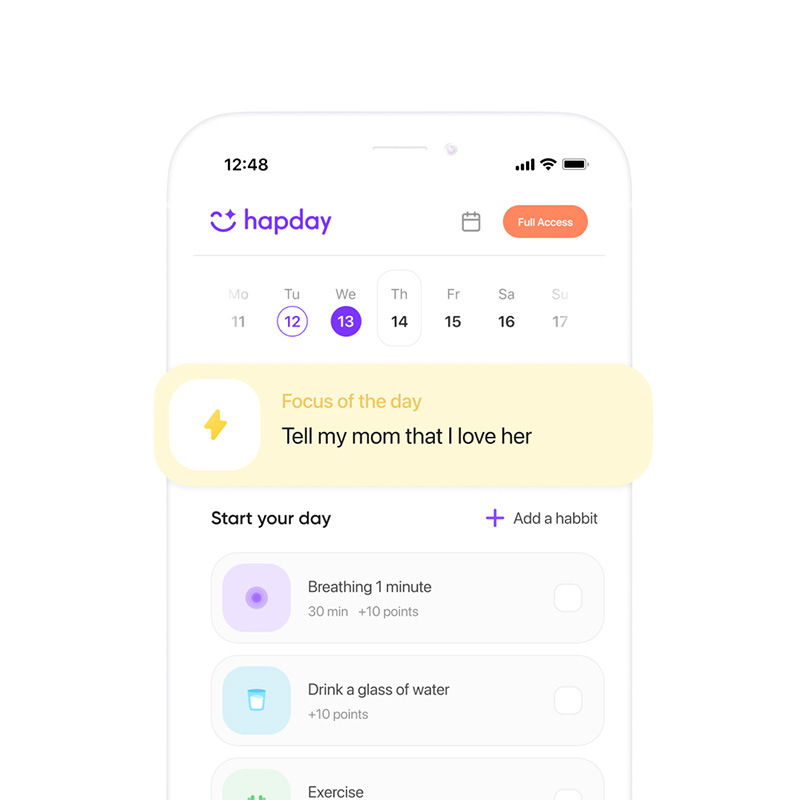
Technology offers numerous apps designed specifically for ADHD management. Apps like Todoist, Trello, and Focus@Will can assist in maintaining schedules, managing tasks, and enhancing focus. By leveraging technology, those with ADHD can manage the effects of time blindness, potentially even turning these into strengths.
- Mindfulness and Meditation
Practicing mindfulness can enhance time perception by training the brain to focus on the present moment. A study published in The Journal of Clinical Psychology found that regular mindfulness practice reduces ADHD symptoms, promoting better time management and emotional wellness (Zylowska et al., 2008).
Building a Supportive Environment
Creating a supportive environment is crucial in managing ADHD Time Blindness. Open conversations with family, friends, or coworkers can help them understand your unique challenges. Furthermore, involving them in your strategies—like setting shared reminders—fosters collaborative support.
Professional Support
Seeking help from mental health professionals is also invaluable. Cognitive Behavioral Therapy (CBT) specifically tailored for ADHD offers individualized techniques addressing time blindness. And let’s be honest, it’s fine to seek assistance; mastering your day is a collective effort.
Final Thoughts
Understanding and addressing ADHD Time Blindness is crucial in reclaiming control over your daily activities. By employing effective strategies such as externalizing time, setting priorities, and using tech tools, adults with ADHD can significantly enhance their time management skills, boost productivity, and improve overall mental wellness. These approaches promote self-efficacy and empower individuals to navigate life with increased confidence and reduced stress.
Begin this journey towards mastering your day with these actionable strategies, tapping into the liberating potential of managing ADHD Time Blindness. Embrace your uniqueness, seek support, and unlock new opportunities for growth and success.
References
- Biederman, J., et al. (2010). Functional impairments in adults with self-reports of diagnosed ADHD: A controlled study of 1001 adults in the United States. The Journal of Clinical Psychiatry.
- Kessler, R. C., et al. (2006). The prevalence and correlates of adult ADHD in the United States: Results from the National Comorbidity Survey Replication. American Journal of Psychiatry.
- Swanson, J., et al. (2010). Primary symptoms, secondary symptoms, compensatory processes, and adaptive outcomes: A model of ADHD. Mental Retardation and Developmental Disabilities Research Reviews.
- Advokat, C. D., et al. (2011). Instrumental activities of daily living and functional performance among adults with ADHD: A comparison with healthy individuals. The Journal of Attention Disorders.
- Zylowska, L., et al. (2008). Mindfulness meditation training in adults and adolescents with ADHD: A feasibility study. The Journal of Clinical Psychology.