



Table of Contents
- Understanding ADHD’s Impact on Energy Levels
- Prioritize Restful Sleep
- Nutrition: Fuel Your Brain Effectively
- Designate a Time for Active Breaks
- Optimize Your Environment
- Practice Mindfulness and Meditation
- Leverage Productivity Tools
- Hydration: The Simple Yet Crucial Hack
- Scheduled Downtime
- Seek Professional Guidance
Understanding ADHD’s Impact on Energy Levels
It’s no secret—ADHD profoundly impacts energy regulation. A study carried out by Psychiatric Clinics of North America reported alterations in cortical arousal and energy consistency among individuals with ADHD (Adler et al., 2005). This can lead to stress on both emotional and physical well-being.
Yet, it’s not all about difficulty focusing; it’s about successfully managing that innate hyperactivity and energy. By understanding this, improvement is possible.
Prioritize Restful Sleep
Sleep issues? You’re not alone. Approximately 75% of adults with ADHD struggle with significant sleep disturbances (National Sleep Foundation). Creating a steady sleep routine can vastly improve how you feel. Aim for those golden 7-9 hours each night and consider aids like white noise machines or weighted blankets. Power down those screens an hour before sleep—blue light’s impact on melatonin isn’t to be underestimated.
Nutrition: Fuel Your Brain Effectively
Your diet plays a leading role in stabilizing energy. A Clinical Pediatrics study suggested that cutting out artificial colorings and preservatives might enhance energy and focus in those with ADHD (Stevens et al., 2011). Opt for foods rich in omega-3s like salmon and walnuts; they’re vital for cognitive prowess and can level your energy.
Designate a Time for Active Breaks
Physical activity—undoubtedly—works wonders. Incorporating short, active pauses can enhance focus and prolong energy. According to PLoS ONE, adults with ADHD who stayed active reported sharper attention and improved mood (Ludyga et al., 2022). Try that 5-minute brisk walk, stretching, or even a quick set of jumping jacks as a recharger.
Optimize Your Environment
Surroundings matter. They can dictate energy levels. Ensure that your workspace is neatly organized, as clutter can drain energy more than you’d guess. Consider noise-cancelling headphones or gentle background music. The power of natural light in lifting mood and aligning sleep is highlighted in the Journal of Clinical Sleep Medicine (Figueiro et al., 2019).
Practice Mindfulness and Meditation
Mindfulness, quite simply, enhances both energy management and focus. It empowers you to gauge your energy, enabling timely self-care. The Journal of Attention Disorders revealed that mindful interventions notably increased attention and reduced hyperactivity in adults with ADHD (Mitchell et al., 2013). Try incorporating deep breathing or guided sessions into your routine.
Leverage Productivity Tools
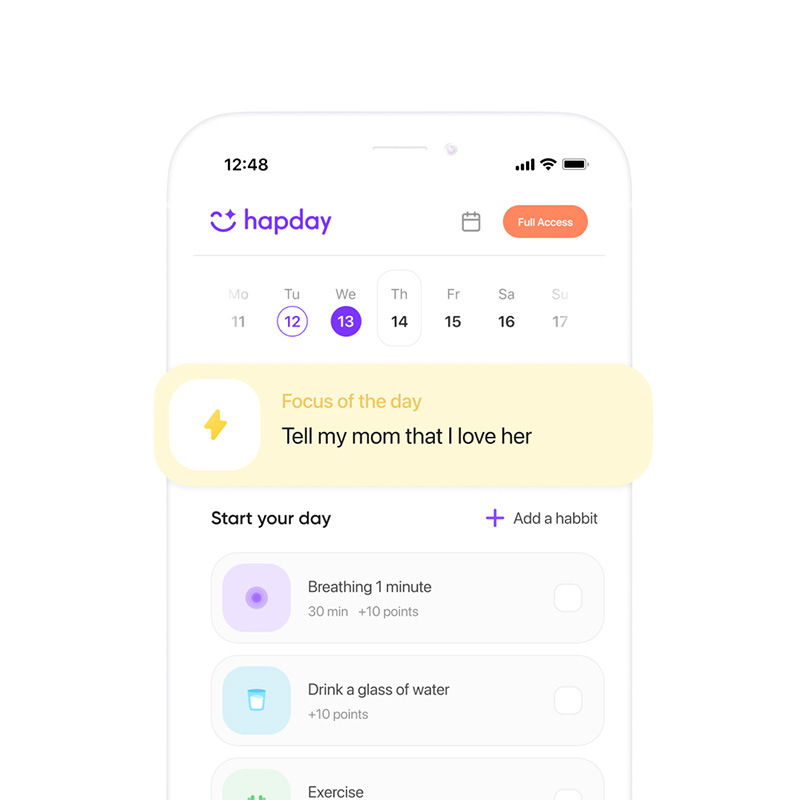
In this digital age, productivity tools can be your ally. Apps like Todoist or Habitica organize tasks and spur motivation. By visualizing to-do lists and reminders, mental load diminishes, allowing efficient energy allocation.
Hydration: The Simple Yet Crucial Hack
Even slight dehydration impacts energy and cognition. A study published in The Journal of Nutrition pointed out that dehydration can exacerbate focus challenges, particularly for people with ADHD (Armstrong et al., 2012). Drink up—at least 8 cups a day, more if you’re active.
Scheduled Downtime
Taking breaks might sound counterintuitive, but they’re a must for energy upkeep. Allowing your brain time out to relax is vital—try reading, listening to music, or even daydreaming. According to the American Journal of Psychiatry, periodic downtime aids emotional regulation and reduces stress in adults with ADHD (Wender et al., 2001).
Seek Professional Guidance
While self-help strategies are invaluable, they should complement expert advice. Consulting a healthcare professional can provide tailor-made strategies or medications, enhancing ADHD management.
Managing ADHD means recognizing energy patterns and deploying focused, strategic interventions. By integrating these energy hacks into daily life, you can significantly bolster your focus and performance, thriving in an ADHD-centric world.
Taking steps to balance energy with these strategies can make life not just more manageable, but more fulfilling. Start today to revitalize your drive and overall well-being. Got a hack that works wonders for you? Share your thoughts below!
References
- Adler, L. A., Faraone, S. V., Spencer, T., Michelson, D., Reimherr, F. W., Glatt, S. J., … & Allen, A. J. (2005). Normalization of cortical arousal in patients with ADHD with atomoxetine. Psychiatric Clinics of North America.
- Armstrong, L. E., Johnson, E. C., Munoz, C. X., Swokla, B., LeBellego, L., Jimenez, L., Ridley, E. J., & Maresh, C. M. (2012). Hydration and cognitive function in men: Results of a 1-day randomized trial of water intake. The Journal of Nutrition.
- Figueiro, M. G., Plitnick, B., Rea, M. S. (2019). Light modulates melatonin suppression, alertness, thermoregulation, and heart rate in humans. Journal of Clinical Sleep Medicine.
- Ludyga, S., Brand, S., Gerber, M., Weber, P., Brotzmann, M., Habibifar, F., Dietl, E., Bossmann, J., & Pühse, U. (2022). The influence of a physical intervention program on attention and mood in adults with ADHD: A Randomized Controlled Pilot Study. PLoS ONE.
- Mitchell, J. T., Zylowska, L., & Kollins, S. H. (2013). Mindfulness Meditation Group for Adults With ADHD: Instructional Manual. Journal of Attention Disorders.
- National Sleep Foundation. (n.d.). Sleep challenges in adults with ADHD.
- Stevens, L. J., Kuczek, T., Burgess, J. R., Hurt, E., & Arnold, L. E. (2011). Dietary sensitivities and ADHD symptoms: Thirty-five years of research. Clinical Pediatrics.
- Wender, P. H., Wolf, L. E., & Wasserstein, J. (2001). Adults with ADHD. An overview. American Journal of Psychiatry.