


Table of Contents
- Understanding ADHD and Emotional Regulation
- The Science Behind Emotional Regulation in ADHD
- Strategies for Mastering Your Reactions
- Building a Support System
- Cultivating Long-Term Emotional Wellness
Understanding ADHD and Emotional Regulation
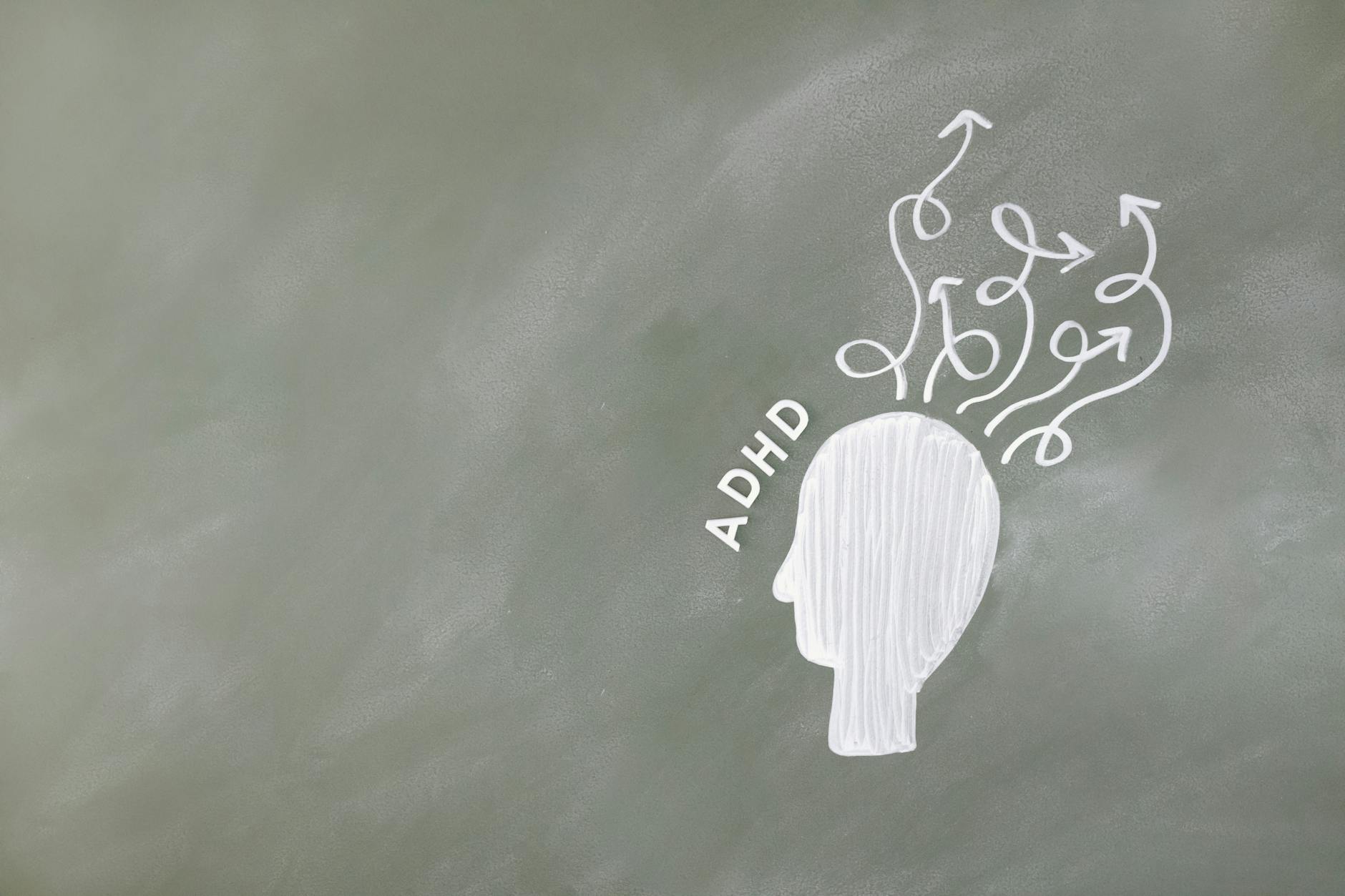
ADHD, which stands for Attention-Deficit/Hyperactivity Disorder, is noted for symptoms like inattention, hyperactivity, impulsivity, and emotional highs and lows. Emotional regulation for those with ADHD means feelings—be it joy, frustration, or anxiety—can escalate quickly and with intensity. Some researchers have termed this “emotional lability” (Huppert & Smith, 2020). Experiencing such volatile emotions can impact everyday interactions and relationships.
Approximately 30-50% of adults with ADHD also deal with emotional dysregulation (Shaw et al., 2014). This statistic highlights why developing strategies for managing emotions is crucial—not just for personal peace but also for maintaining healthy relationships.
The Science Behind Emotional Regulation in ADHD
Why is emotional regulation such a challenge in ADHD? Neuroscience provides some answers. The prefrontal cortex, the part of the brain handling reasoning and self-control, is often underactive in those with ADHD (Arnsten, 2009). This underactivity can lead to swift emotional responses, often unchecked. Furthermore, neurotransmitter imbalances—particularly involving dopamine and norepinephrine— can worsen control over emotions and impulses.
Strategies for Mastering Your Reactions
Mindfulness Practice
Mindfulness—being present and engaged in the moment—has been found to beneficially impact ADHD symptoms and emotional regulation (Mitchell et al., 2013). It helps create a pause before reaction, allowing time for considered emotional responses.
Tips for Practicing Mindfulness:
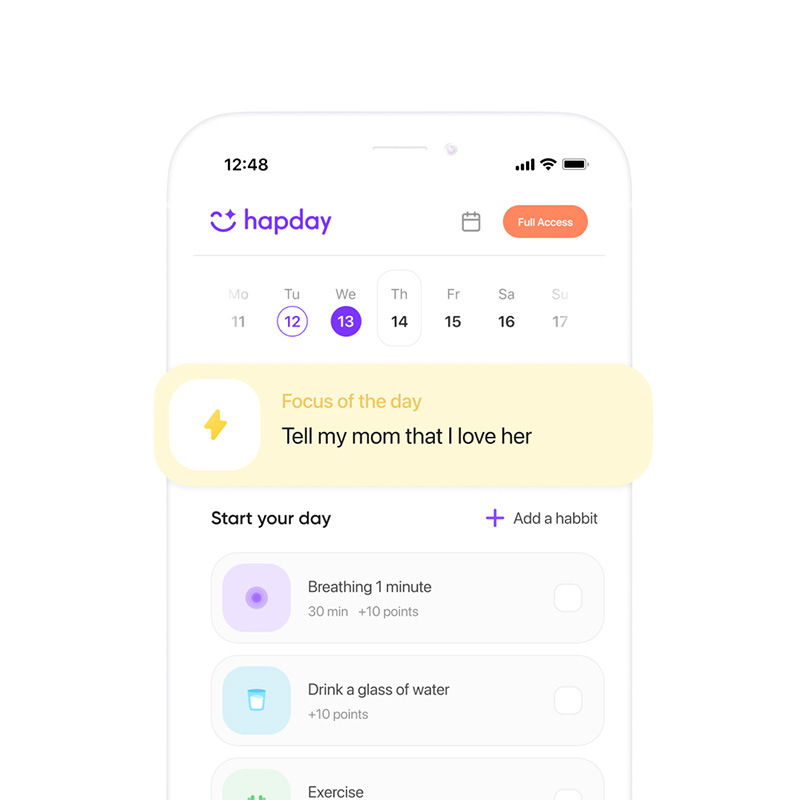
- Start small: Try guided mindfulness apps designed with ADHD in mind.
- Deep Breathing: Engage in deep breathing to activate the parasympathetic nervous system and ease emotional surges.
Cognitive Behavioral Therapy (CBT)
CBT is about identifying and altering thought patterns that drive emotional and behavioral responses. Through CBT, individuals with ADHD can develop the skills to reassess triggers and manage their emotional responses more effectively.
Developing Emotional Awareness
Understanding emotions’ roots and progressions can be empowering. Journaling can serve as a window into these patterns and triggers.
- Emotional Journaling: Dedicate a few minutes each evening to note events that triggered strong emotions, exploring underlying causes and potential alternative responses.
Structured Daily Routines
Structured routines can reduce stressors that provoke emotional dysregulation. A predictable schedule lends a sense of control, helping to lower anxiety and unexpected emotional reactions.
Creating an Effective Routine:
- Prioritize activities: Focus on task importance to prevent overwhelm.
- Set reminders: Use apps to stay on track and manage time efficiently.
Medical Interventions
For those whose emotional dysregulation severely affects quality of life, a discussion with a healthcare provider about medical options could be beneficial. ADHD medications, such as stimulants, might enhance emotional control by improving focus and impulse management (Biederman et al., 2012).
Building a Support System
An effective support network can act as a buffer against emotional extremes. Sharing experiences, particularly within ADHD support groups, creates a sense of community and understanding.
- Join ADHD-specific Networks: Organizations like CHADD offer forums and local meetups for sharing experiences and support.
Physical Activity and Diet
Physical exercise boosts mood, increases focus, and reduces stress for individuals with ADHD (Pontifex et al., 2013). Furthermore, a balanced diet rich in omega-3 fatty acids supports brain health, potentially aiding emotional control.
Cultivating Long-Term Emotional Wellness
Mastering emotional regulation is a lifelong endeavor for those with ADHD. Gradually applying these strategies can transform reactive emotions into managed responses, fostering a sense of personal control and emotional stability over time.
Indeed, while this journey requires patience and persistence, the rewards—clarity, emotional resilience, improved relationships—are well worth it. By weaving together mindfulness, therapy, routine, and support, individuals with ADHD can indeed elevate their emotional and mental wellness.
Why not take a proactive step today with a small change? Perhaps in the morning or before bedtime. Even modest beginnings can lead to significant improvements down the line.
References
- Arnsten, A. F. T. (2009). The emerging neurobiology of attention deficit hyperactivity disorder: The key role of the prefrontal association cortex. Journal of Pediatrics.
- Biederman, J., Spencer, T. J., Wilens, T. E., Prince, J. B., Faraone, S. V. (2012). Treatment of ADHD with stimulants: An evidence-based approach to the question of how to start and what to expect. Canadian Journal of Psychiatry.
- Huppert, F. A., & Smith, A. P. (2020). Emotional regulation in ADHD: Theory and practice. British Journal of Clinical Psychology.
- Shaw, P., Stringaris, A., Nigg, J., & Leibenluft, E. (2014). Emotional dysregulation and attention-deficit/hyperactivity disorder. American Journal of Psychiatry.
- Mitchell, J. T., Zylowska, L., & Kollins, S. H. (2013). Mindfulness Meditation Training in Adults and Adolescents With ADHD. Journal of Attention Disorders.
- Pontifex, M. B., Saliba, B. J., Raine, L. B., Picchietti, D. L., & Hillman, C. H. (2013). Exercise improves behavioral, neurocognitive, and scholastic performance in children with attention-deficit/hyperactivity disorder. Journal of Pediatrics.