



Table of Contents
Unpacking ADHD Procrastination
Procrastination is something nearly everyone grapples with, however—those with ADHD face an amplified version. It isn’t simply avoiding tasks. It’s a complex dance of behaviors such as seeking stimulation, experiencing time blindness, and feeling repelled by mundane tasks. Interestingly, the Journal of Attention Disorders found that an astounding 95% of adults with ADHD encounter procrastination hesitancies, starkly contrasting the 50% observed in the general population.
Initiating and completing tasks proves tricky for those with ADHD. These challenges often arise from deficits in executive function—the vital cognitive abilities needed to regulate thoughts, actions, and emotions toward achieving one’s objectives. Isn’t it time we started seeing procrastination through this lens, rather than merely writing it off?
The Neuroscience Behind Procrastination
Delving into brain chemistry unveils the roots of ADHD procrastination. Dopamine—crucial for pleasure, reward, and motivation—plays a large part in ADHD’s symphony of symptoms. Research implies individuals grappling with ADHD often showcase diminished dopamine activity—a factor causing the need for immediate rewards that leads to procrastination. Sounds familiar?
Moreover, in individuals with ADHD, the prefrontal cortex, involved in planning and impulse control, is under-activated. This can muddle focus and task adhesion, spiraling into procrastination territory, time and again.
Strategies to Break the ADHD Procrastination Cycle
While it may seem overwhelming, several strategies can effectively unshackle the chains of procrastination:
- Prioritize Tasks with Visualization Tools: Visualization tools such as Trello or Asana can break down large projects into smaller, digestible tasks. Prioritizing and visually tracking progress can help demystify daunting tasks—addressing that oh-so-familiar overwhelm that often precedes procrastination.
- Incorporate Time Management Techniques: The Pomodoro Technique? Truly a game changer. Working in 25-minute bursts followed by 5-minute pauses provides focus and rejuvenation. According to Psychological Science, this method amps up attention spans and efficiency, especially for individuals with ADHD.
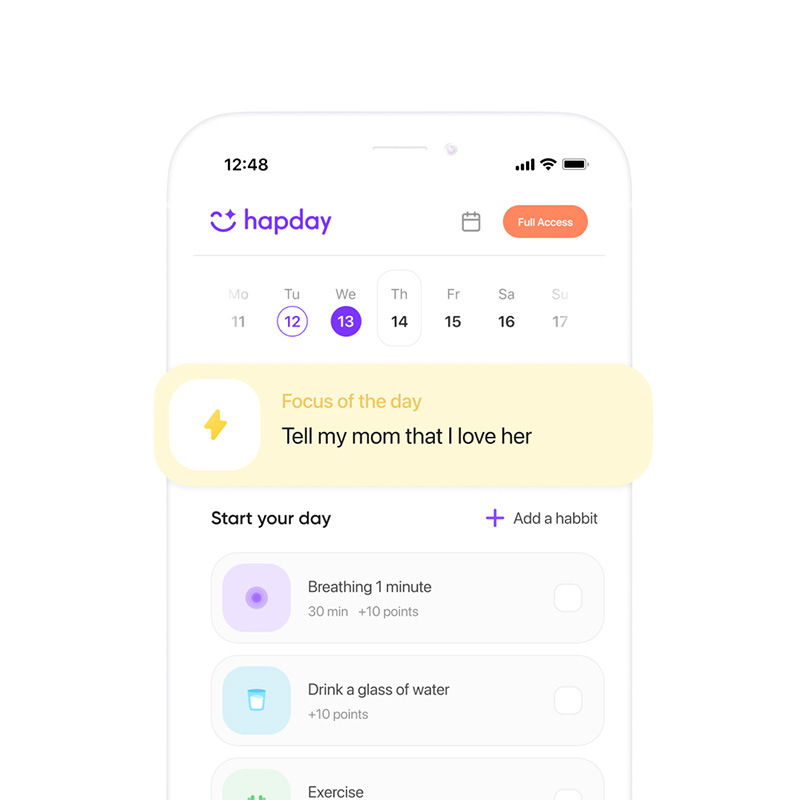
- Establish Routine and Structure: A predictable routine curtails time blindness and aids in task completion. By creating a structured daily agenda, one can imbue life with order and foreseeability—elements often elusive to those with ADHD.
- Leverage Immediate Rewards: Setting quick, tangible rewards for completed tasks can enhance motivation. This approach nudges the ADHD brain towards productivity, tapping into its penchant for immediate gratification.
- Seek Professional Support: Counseling or ADHD-specific coaching can offer personalized strategies to reign in procrastination. Cognitive Behavioral Therapy (CBT) and ADHD coaching have shown success in reshaping thought patterns and bolstering self-management, crucial for tackling procrastination head-on. Does it work for everyone? Perhaps not, but worth exploring.
Emotional and Environmental Considerations
It’s essential to address emotional contributors to procrastination. Feelings of inadequacy or fear of criticism can spike procrastination, especially amid anxiety-inducing surroundings. Crafting a supportive environment and nurturing emotional health through mindfulness or stress-busting techniques can significantly aid in tackling procrastination.
Furthermore, a focus-friendly physical environment is vital. Setting up a distraction-free workspace can enhance concentration. Simple steps—organizing a cluttered desk or minimizing digital intrusions—can be surprisingly effective.
Innovating Accountability
Breaking the cycle of ADHD procrastination is far from a solo journey. An accountability partner can offer motivation and unfiltered feedback. Regular check-ins can introduce a sense of obligation, propelling individuals with ADHD to honor their commitments. Online communities and support groups can also be supportive havens for shared stories and encouragement.
Conclusion
Tackling ADHD procrastination calls for understanding, empathy, and concentrated strategies. By marrying neurobiological insights with pragmatic task management, individuals can redefine their productivity landscape. Although the path is fraught with challenges, with the right tools and support, shedding the procrastination cycle is attainable.
Ready to curb procrastination with actionable plans and break the ADHD cycle? Start applying these techniques today, and share your journey with us below!